

I sat down with a compliance analyst who has spent years auditing instant-win products, and the first thing they told me was that the house edge for scratch cards is never a mystery once you read the published return-to-player figures. Most players in Australia treat a scratchie as a bit of fun on a quiet arvo, but the maths underneath that cheap thrill is brutally consistent. If you want to understand what you are actually paying for each time you peel back a panel, you need to look past the advertised prize tiers and focus on the expected loss baked into every ticket. That is where the real conversation starts.
Reading the fine print before you buy
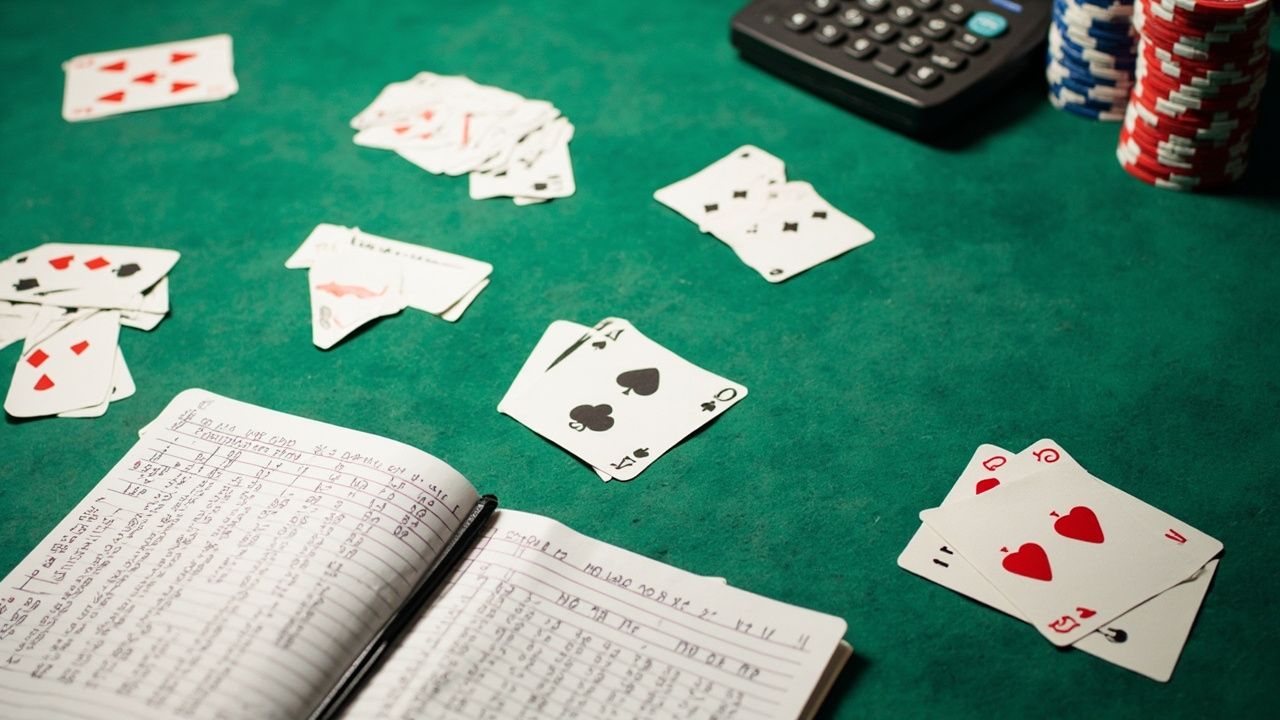
The analyst, who asked not to be named because they still advise operators, explained that the house edge for scratch cards is usually disclosed as a percentage of total sales retained by the operator over the long run. In practical terms, a card with a 25 percent house edge means that for every hundred dollars spent across thousands of tickets, the operator expects to keep twenty-five dollars and return seventy-five to winners. That sounds straightforward on paper, but the real challenge is that the advertised headline prizes are deliberately weighted toward the top end to create the illusion of a fair shake. When I asked how a casual player should actually read a ticket’s terms, they pointed out that the odds printed on the back are the only numbers bonusroyalreels.com that matter, not the glossy images of cars or holiday packages. If you are browsing a digital lobby where instant-win titles sit alongside slots from providers like Pragmatic Play and Play’n GO, the same principle applies: the return figure is fixed at launch and never shifts to favour you mid-session. A quick glance at the published payout table tells you more than any promotional banner ever will.
| Detail | What it means for you |
|---|---|
| Published RTP | Usually 70-80 percent for most instant-win titles |
| House edge | The retained percentage after all prizes are paid |
| Prize weighting | Top prizes are rare; small wins appear frequently |
| Ticket price | Higher denominations do not improve the edge |
Why the Gold Coast habit costs more than it feels
We moved on to how regular players actually behave, and the analyst was blunt: the house edge for scratch cards compounds quietly because people chase the feeling of a near-miss rather than the published odds. On the Gold Coast, I watched a row of punters at a busy servo on a Saturday afternoon, each grabbing a handful of tickets without a second thought for the return figures. The analyst reckons that is exactly where the edge does its work, because the human brain treats a two-dollar win as a signal to keep going, even when the long-run expectation is already locked in. If you prefer a more structured approach, some players compare the instant-win mechanic to a slot session and look at the dog house megaways demo to see how volatility feels in practice, but that is a different product with its own return profile. The point is that scratch cards are designed for short, self-contained sessions, and the moment you treat them as a steady income stream, you are fighting a fixed mathematical disadvantage. No amount of timing or ticket selection changes the published house edge, so the only real lever you control is how much you spend and how quickly you walk away.
When the numbers actually matter
Toward the end of our conversation, the analyst drew a line between casual play and anyone who starts tracking their sessions seriously. They said that if you are going to spend regularly, you should treat the house edge for scratch cards the same way you would treat any other fixed-cost entertainment, like a movie ticket or a weekend round of golf. The difference is that the cost is hidden inside the prize structure, so you have to do a bit of arithmetic before you buy. A sensible approach is to check the published return figure, set a strict spend limit for the session, and accept that the edge is always working in the operator’s favour. Some online casino operators publish their instant-win return data more transparently than others, and it is worth reading a related article on a smarter online casino approach before you commit to a regular habit. The analyst’s bottom line was simple: the edge does not care about your lucky feeling, and it does not change because you bought a different batch. If you understand that upfront, you can enjoy the scratch without pretending the maths is on your side.the dog house megaways demo
Understanding the house edge for scratch cards is less about finding a clever workaround and more about knowing exactly what you are buying into. The published return figures, the prize weighting, and your own session limits are the only pieces you can actually control, so treat each ticket as a fixed-cost bit of entertainment rather than a puzzle to solve. If you go in with that mindset, you can keep the fun without pretending the numbers are working against you.Scratch cards win big with a
